Sunday, July 27, 2014

Book 27: All Joy and No Fun: The Paradox of Modern Parenthood

If you were in my presence during the time that I was reading this, you undoubtedly heard me excitedly telling you all about it.


So much of it rang true to my experience as a parent. I loved the first section about parenting preschool children and the challenges that poses to individuals and their relationships. Senior has some theories as to why parenting sometimes feels like 99% boredom and 1% panic. She does this by presenting several case studies of families in each stage of parenting: those parenting the very young, those with elementary school age children, and families with teenagers. The case studies are presented with empathy and without unnecessary judgment. 

I think most parents will see some aspect of themselves in it, no matter what "type" of parent you are. It helped me understand myself and my stage of life in different ways.

Saturday, July 26, 2014

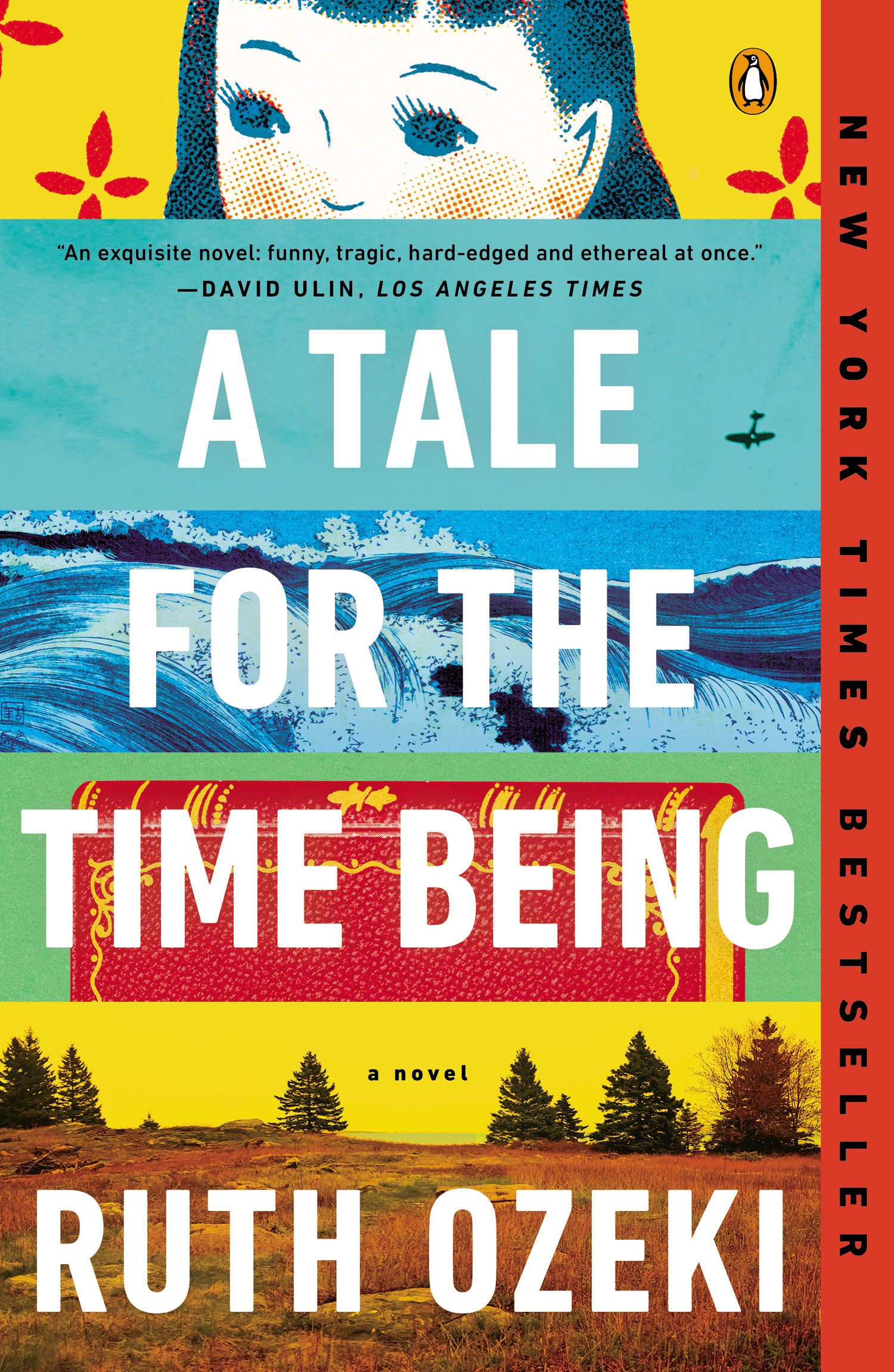
Book 26: A Tale for the Time Being

Oh, what a delight this was!


Sometimes it was mind-bending, sometimes it was disturbing, but overall, it was wonderful to listen to. Ruth Ozeki reads her own book in this audio version and it is remarkable.

If you like Haruki Murakami, you'll probably enjoy this as well.

Oh, and that is book 26 for 2014! I've met my goal!

Monday, July 21, 2014

Book 25: What the Most Successful People Do Before Breakfast

This is a quick read (or listen) that has the potential to help you make better use of your time.


At first I was a little put off, thinking I am not really trying to be "successful." But Vanderkam doesn't define success; she enumerates some broad categories, but leaves most of the defining and identifying of success up to her readers. Then, she discusses how to make sure you're moving toward those goals in the first hours of the day.

Now if only I were doing any of the things Vanderkam suggests.

Sunday, July 20, 2014

Book 24: What to Look for in Winter

I found myself asking, "What is this book about?" quite frequently. That doesn't seem like such a good sign.


Candia McWilliams began to lose her sight when she lost the ability to hold her eyes open for most of the day, a condition called blepharospasm. Her memoir is an attempt to explain to herself and others how that might have happened. There were some compelling parts of this book, but much of it left me scratching my head.

Thursday, July 17, 2014

Book 23: Prague Winter

Madeleine Albright only discovered her family's Jewish heritage 50 years after World War II, when she became Secretary of State for the Clinton administration. She then learned that a number of her relatives had died in Jewish internment camps in Czechoslovakia.


This book is a mixture of personal remembrance, family history, and the history of the Czech people and Czechoslovakia, focusing particularly on the years leading up to and including World War II. There was much that was new to me.

The writing was lovely. The reading was done by Albright herself, which was nice in a way, but sometimes the pausing was odd or confusing.

Tuesday, July 15, 2014

Book 22: Notes from a Blue Bike

Tsh Oxenrider runs a great website called The Art of Simple. She also has a new book out this year. In it, Oxenrider gives ideas and poses questions to help readers make more intentional choices in there family lives.


In it, Oxenrider gives ideas and poses questions to help readers make more intentional choices in there family lives.

I really wanted to love this. I even joined the associated online book club, but the book just did not speak to me. There wasn't anything particularly thought-provoking or new to me. The blue bike only made two appearances: in the prologue and the epilogue. As Lance Armstrong said, It's Not About the Bike. That's a shame, because I'm really drawn to the idea of living simply and cruising around with my kids on a bike. Oxenrider's writing style isn't my favorite, either.

Monday, July 14, 2014

Book 21: 10% Happier

I'm always astonished to read about how smart, capable adults do really crazy, irresponsible things, like take drugs or participate in smuggling rings.


Dan Harris was a TV news correspondent who began using drugs as he adjusted to returning from covering the war in Afghanistan. After he had a panic attack on the air, he discovered mindfulness meditation to manage his anxiety.

This is a very readable introduction to mindfulness meditation, including simple instructions to get started, if you've never explored the topic before. I've read a bit written by Jon Kabat-Zinn, one of the earliest and best-known mindfulness meditation teachers and researchers in the U.S., so early on in the book, I recognized where Harris was going. Experienced meditators may find it a bit too basic and  his journey tedious.